
The Language of Effective Training
Use language that will help empower students to take responsibility for their own learning
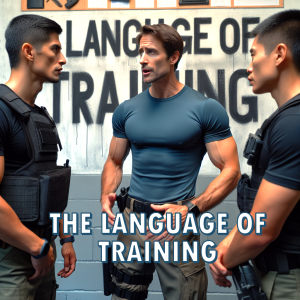
The Importance of Words
in Coaching and Training
Our words and how we use them hold immense power, especially in the realm of coaching and training motor learning and decision-making. Effective coach communication is essential in empowering our students to achieve their goals. Coaches or Trainers, whether in sports, academics, or especially first responder tactical occupations, utilize language not only to instruct but also to inspire and motivate. The way our words are chosen can greatly influence a student’s learning experience, resulting in success. On the other hand, a lack of understanding of the power of our language can create learner frustration, impaired learning or even dangerous training scars.
Words and language play a crucial role in shaping a performer’s focus of attention, which directly impacts their ability to deliver skilled performance, maintain adaptability and utilize effective decision-making. The way First Responders think about and articulate their tasks can significantly alter their concentration and effectiveness. By understanding how language influences focus, Coaches and Trainers can leverage highly effective language during training to help their students achieve peak performance.
The importance of how we use language in coaching and training cannot be overstated. Effective coaches use language to provide clear instructions, develop mental resilience, offer encouragement, and foster relationships with their students. By understanding the impact of their words, coaches can facilitate a positive learning environment that both enables and inspires students to reach their full potential. The right use of language ultimately transforms not only how students learn but also how they perceive their capabilities in the ‘real world’ and the support they receive.
Recent studies in sports psychology and performance science have illustrated the importance of language in directing attention. Techniques such as mental imagery and self-instruction rely heavily on the words spoken within one’s mind. These approaches have seen widespread application in elite sports training, where athletes visualize their performances using vivid language to enhance focus.
Coaches and Trainers attending “The Language of Effective Training” course will:
- Learn the psychological / cognitive underpinnings for how language is processed.
- Understand the difference between motor performance and motor learning and the intersection of these to trainer language.
- Be able to explain the role of student attention both in the learning process and in the operational environment and how the trainer’s language can help or hinder proper attentional focus.
- Learn about the role of memory in learning and how language can create powerful memory cues leading to rapid cognition and enhanced performance.
- Demonstrate how to create cues and use feedback that enables the student to focus on goals and outcomes rather than biomechanics and techniques.
- Use language that will help empower students to take responsibility for their own learning.
This 8-hour course consists of didactic presentation, pair work, group work and practical problem-solving exercises to help the students understand and cement the concepts of using effective and powerful language. For more information about this course or to explore hosting The Language of Effective Training, contact us today at info@raptorprotection.com